Tuesday, 20 May 2014


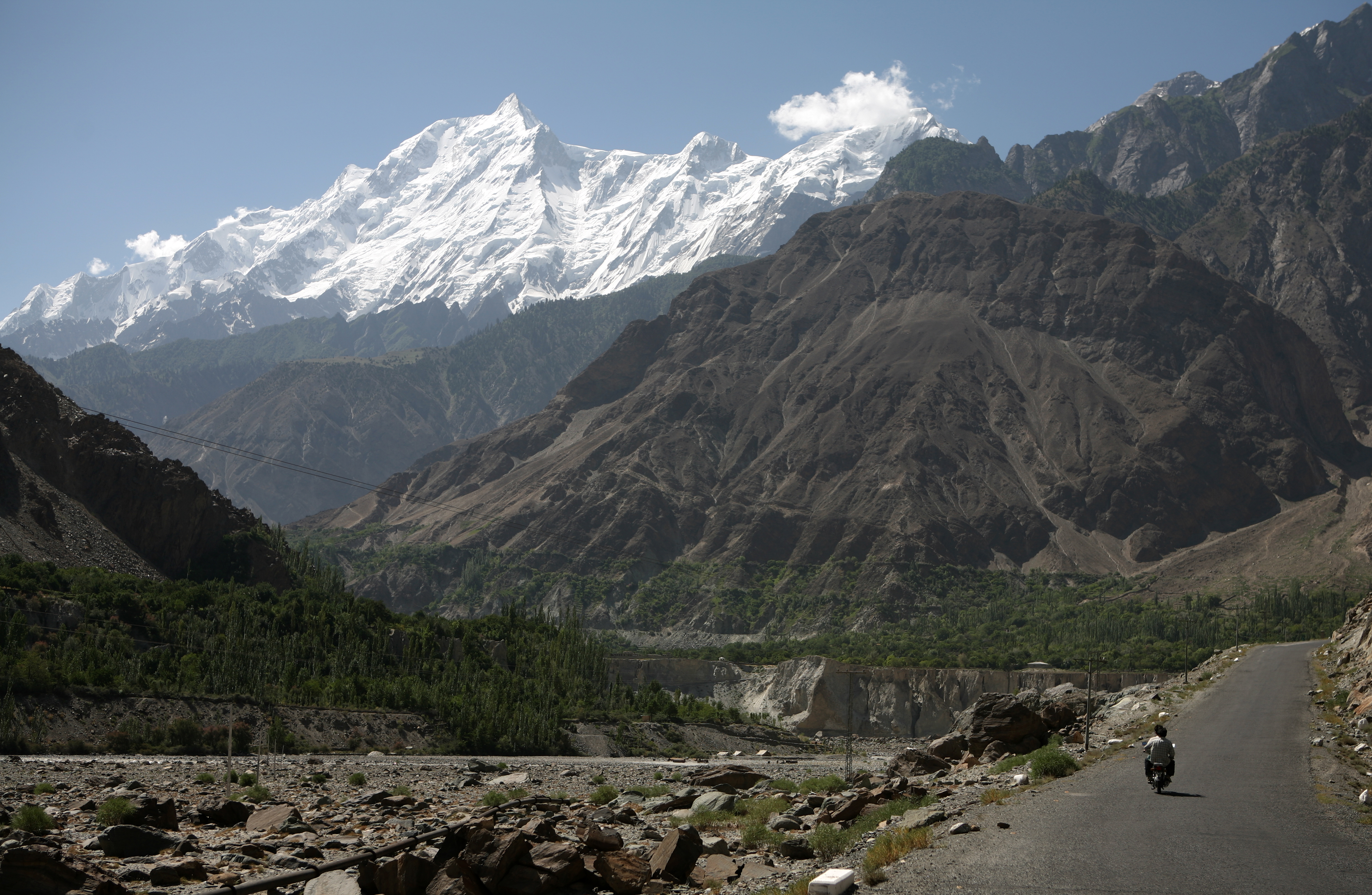
  1. GEOGRAPHICAL AREA OF HUNZA         The hunza valley has most three common place are divided .   lower hunza ,  middle hunza and upper hunza  .These place  have some different village and popular with specialties. 

Lower Hunza

  1. Lower Hunza comprises the parts of Aliabad tehsil of Hunza–Nagar District. The main towns, villages and valleys are:

Central Hunza

  1.   

Gojal Valley

  1. Upper Hunza comprises the Gojal tehsil of Hunza–Nagar District. The main towns, villages and valleys are:

HISTORY                                                                                                                                                                   Hunza was formerly a princely state bordering Uyghurstan to the northeast and Pamir to the northwest, which survived until 1974, when it was finally dissolved by Zulfikar Ali Bhutto. The state bordered the Gilgit Agency to the south and the former princely state of Nagar to the east. The state capital was the town of Baltit (also known as Karimabad); another old settlement is Ganish Village. Hunza was an independent principality for more than 900 years. The British gained control of Hunza and the neighbouring valley of Nagar between 1889 and 1892 through a military conquest. The then Mir/Thum (Ruler) Mir Safdar Ali Khan of Hunza fled to Kashghar in China and sought what would now be called political asylum.                                                                                                                                                                                                                                                             Mir (thum)                                                                                                                                                                    The traditional name for the ruler or Prince in Hunz  Thum (also Thom or Tham), which is also a respectful greeting used by the people of both Hunza and Nager who belong to the clan of Boorish. The Shin use the term Yeshkun for the Boorish.
Both Thums are also addressed as The traditional name for the ruler or Prince in Hunza was Thum (also Thom or Tham), which is also a respectful greeting used by the people of both Hunza and Nager who belong to the clan of Boorish. The Shin use the term Yeshkun for the Boorish.
Both Thums are also addressed as Soori, a title of respect. This appears to be the same [in meaning] as Sri, an commonly prefixed to the names of Hindu princes in India, to denote their honour and prosperity. The Thum's wives are styledghenish which is almost identical with the original Sanskrit word for mother, and their sons are called gush

, a title of respect. This appears to be the same as Sri, an commonly prefixed to the names of Hindu princes in India, to denote their honour and prosperity. The Thum's wives are styledghenish which is almost identical with the original Sanskrit word for mother, and their sons are called gush

Thursday, 15 May 2014

Hunza valley

hunza_river.jpg (86653 bytes)lattabad lack hunzaHunza     LOCATION was formerly a princely state, and one of the most loyal vassals to the Maharaja of Jammu and Kashmir, bordering China to the north-east and Pamir to its north-west, which continued to survive until 1974, when it was finally dissolved by Zulfikar Ali Bhutto. The state bordered the Gilgit Agency to the south, the former princely state of Nagar to the east. The state capital was the town of Baltit (also known as  Karimabad) and its old settlement is Ganish Village.Hunza was an independent principality for more than 900 years.. The then Mir/Thum (Ruler) Mir Safdar Ali Khan of Hunza fled to Kashghar in China and sought what would now be called p. The then Mir/Thum (Ruler) Mir Safdar Ali Khan of Hunza fled to Kashghar in China and sought what would now be called political asylumolitical asylum The British gained control of Hunza and the neighbouring valley of Nagar . The two states hunza nager are formerly under rule by shahreis the ruling family of Gilgit . whose seat of goverment  was  Nagar the Hunza tradition is relates to Mayroo khan , apparently  first muslim Thum of nagar some 200 year  .                                                                                                                               
undefinedBaltit Fort, Tibetan style